The Hijaz Railway Documentation Project
مشروع توثيق خط سكة حديد الحجاز
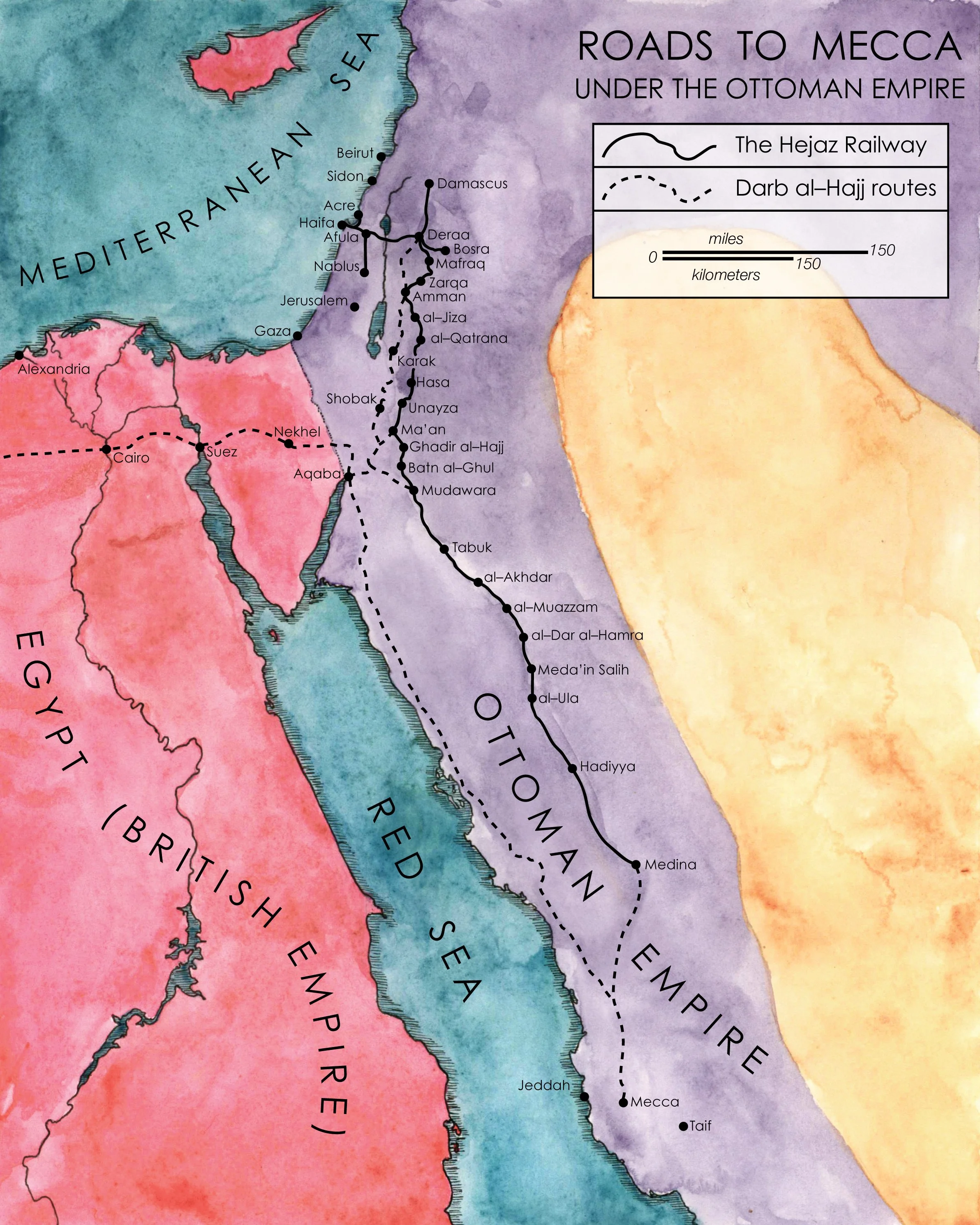
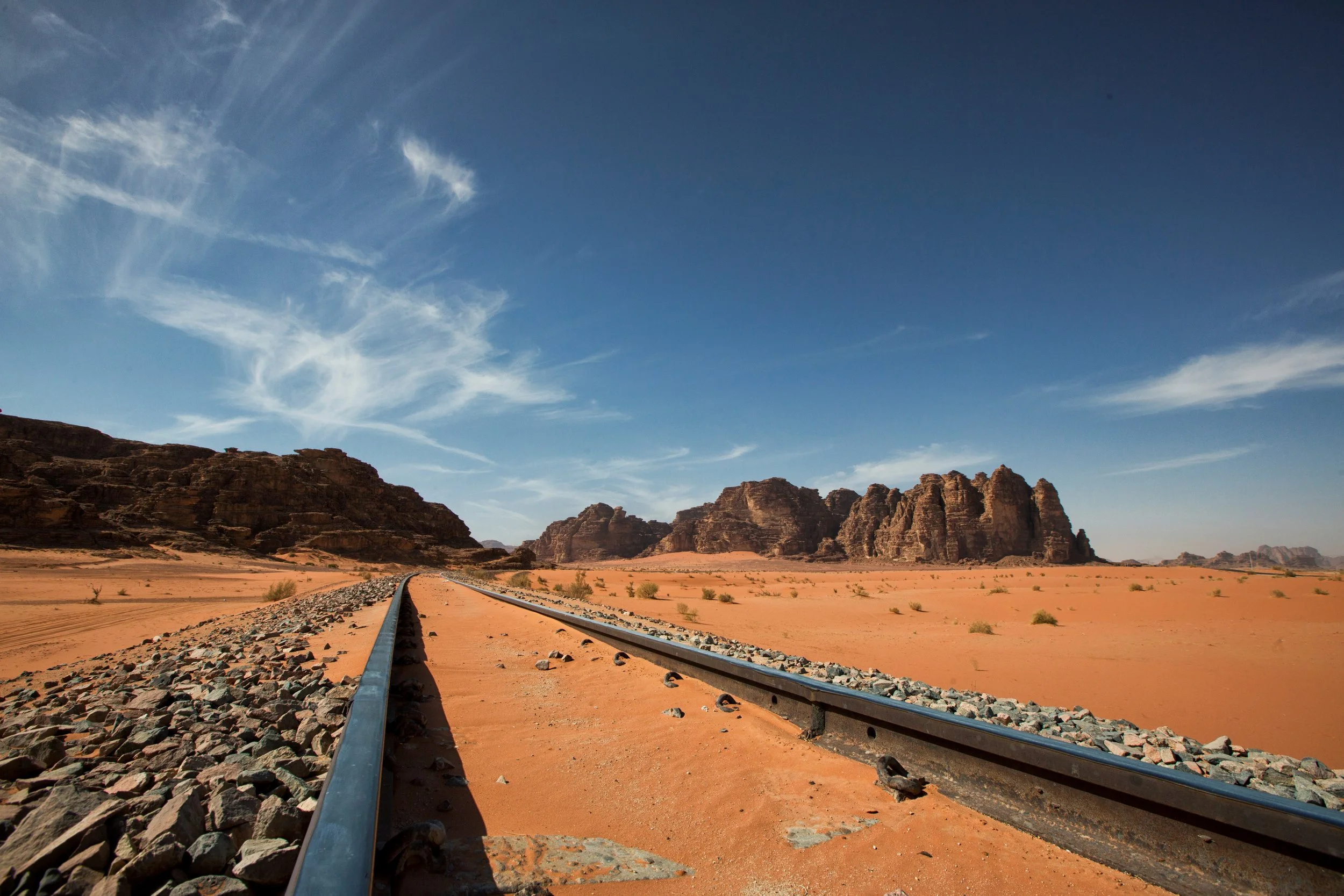
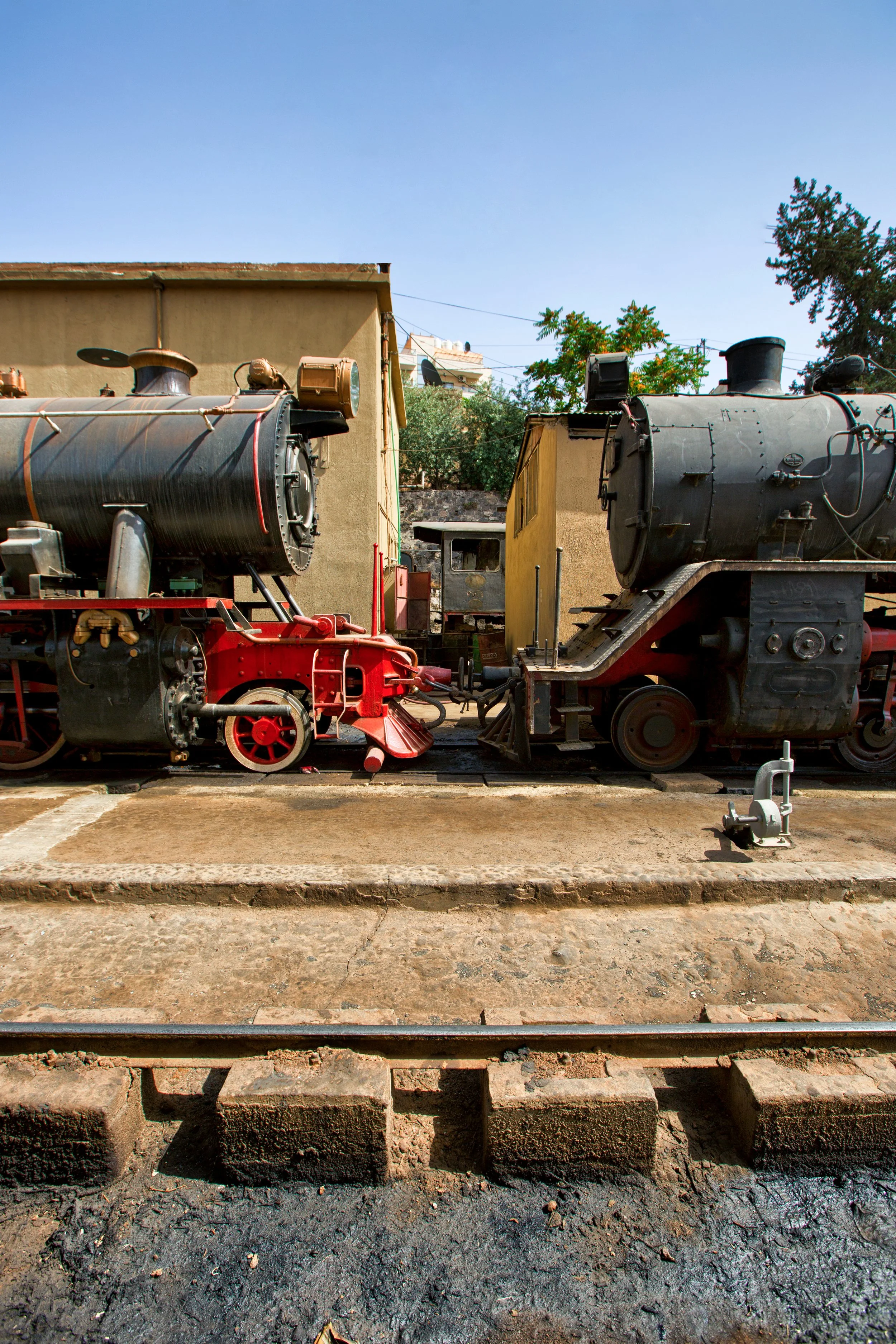
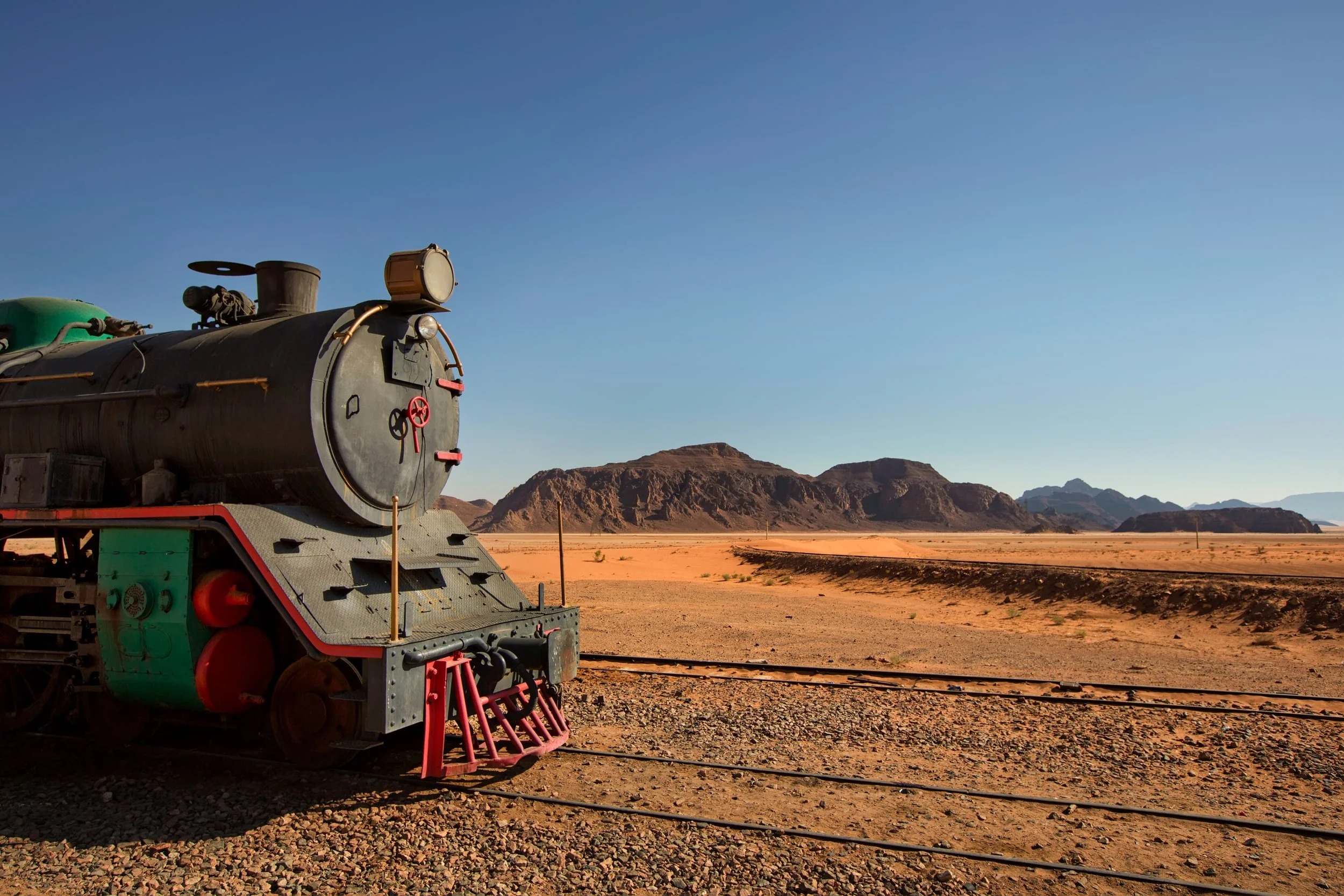
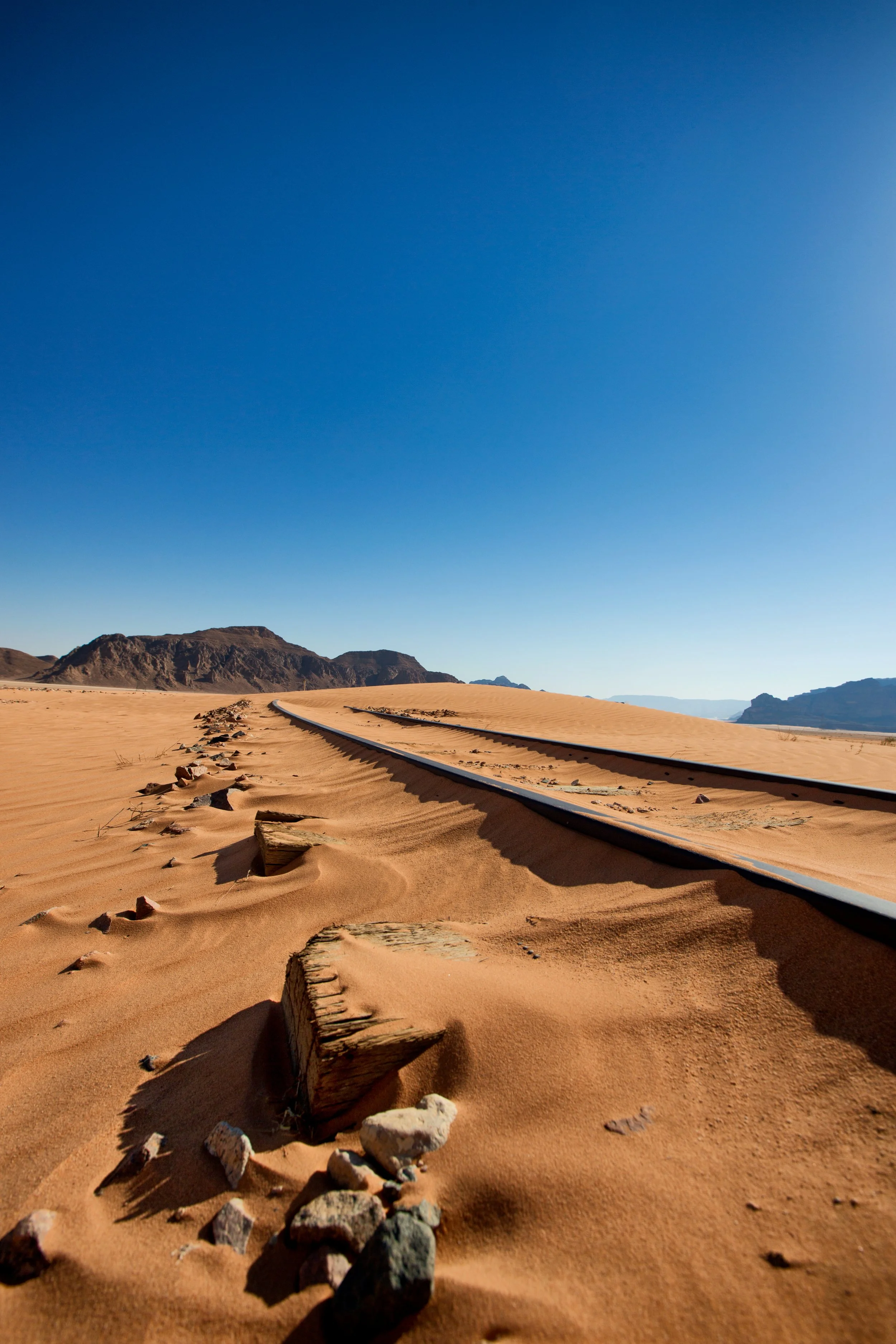
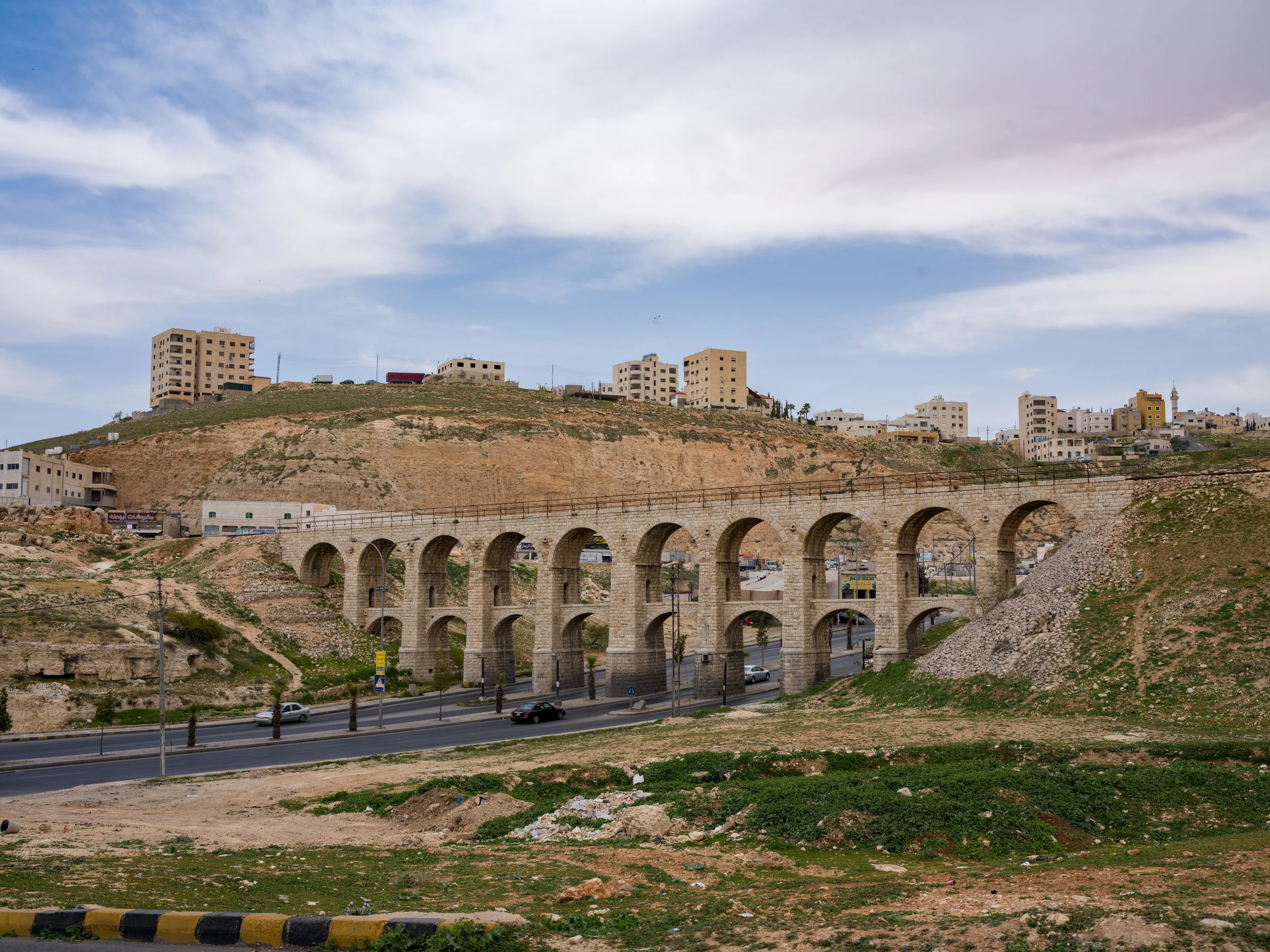
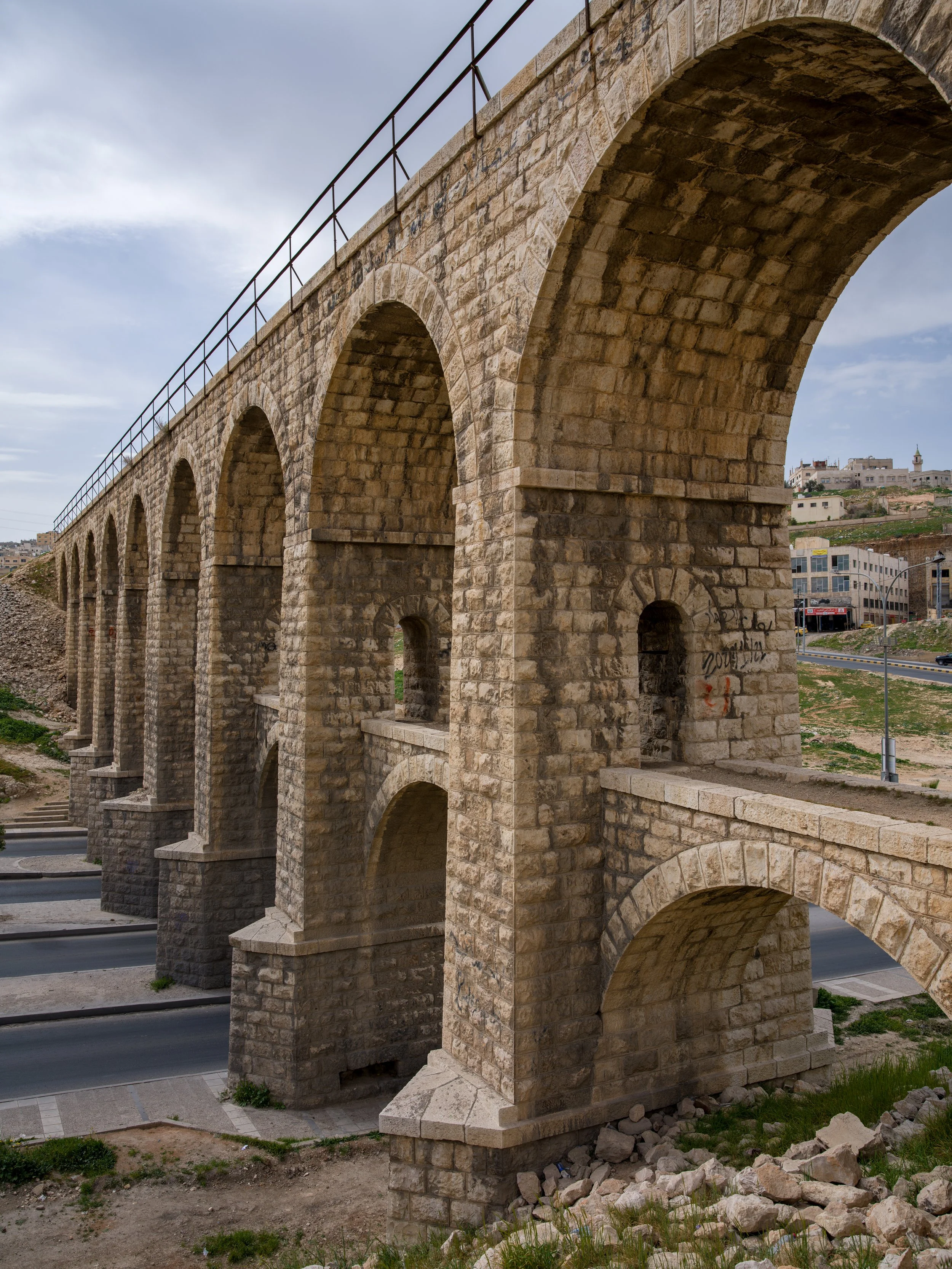
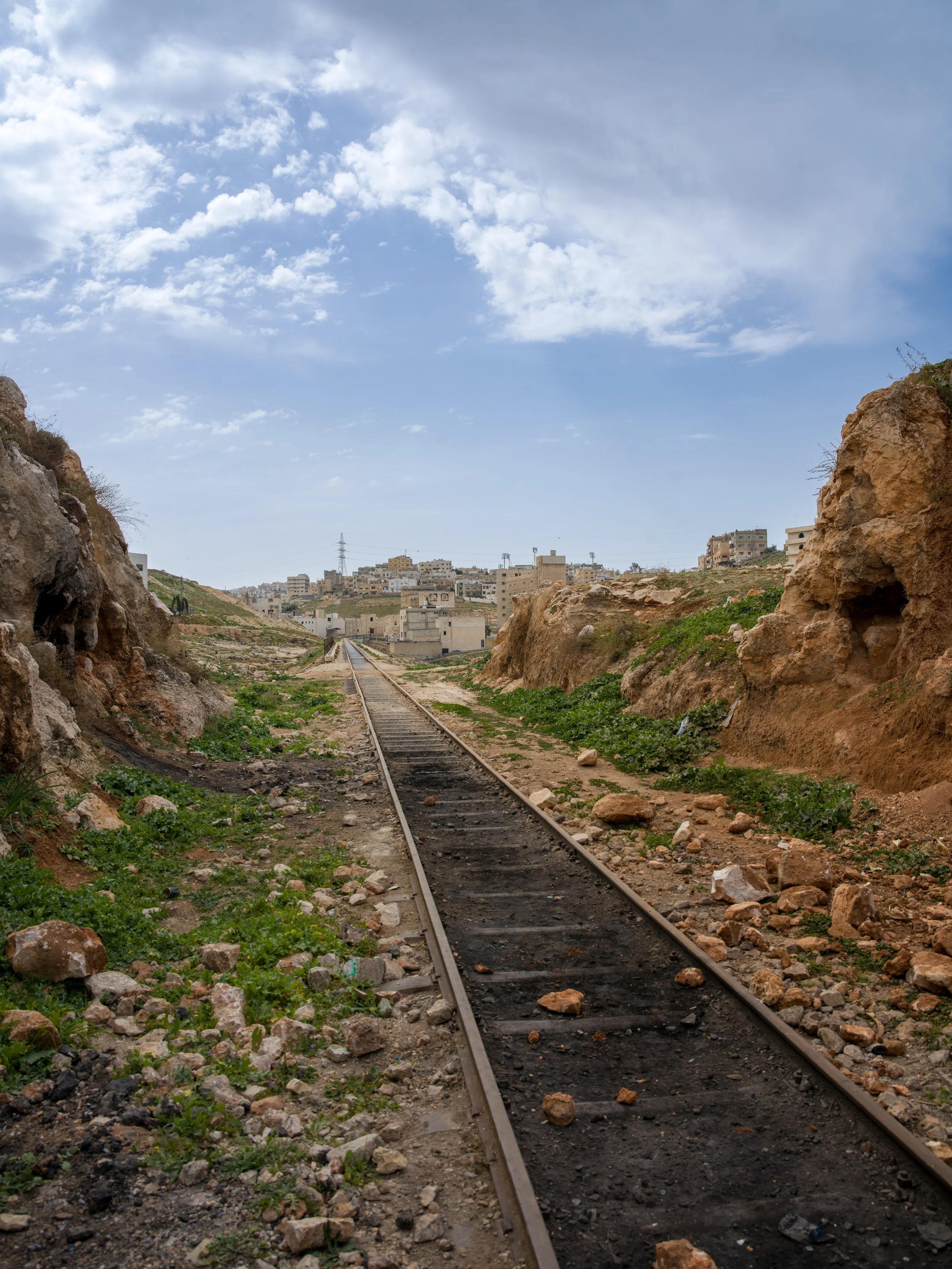
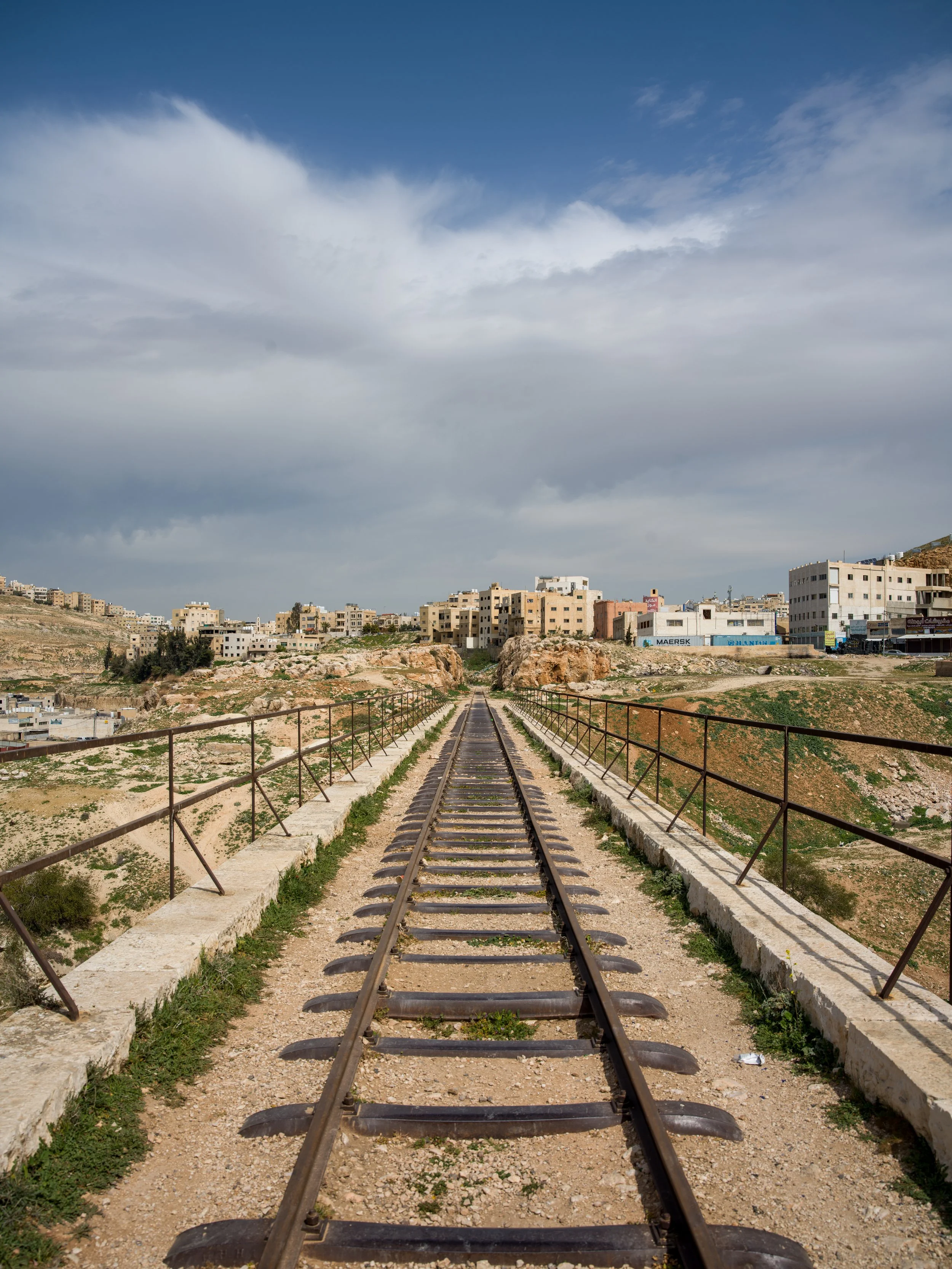
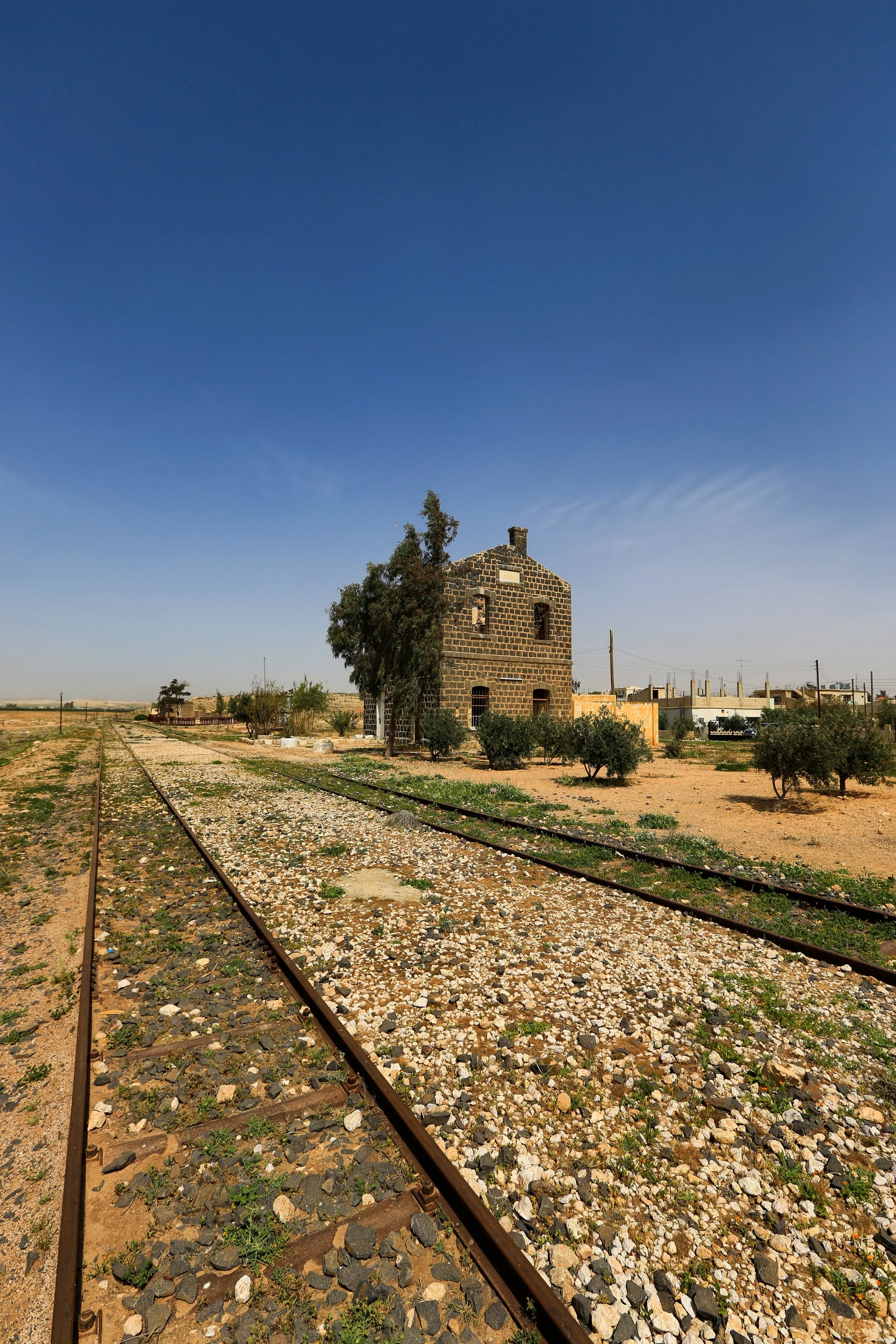
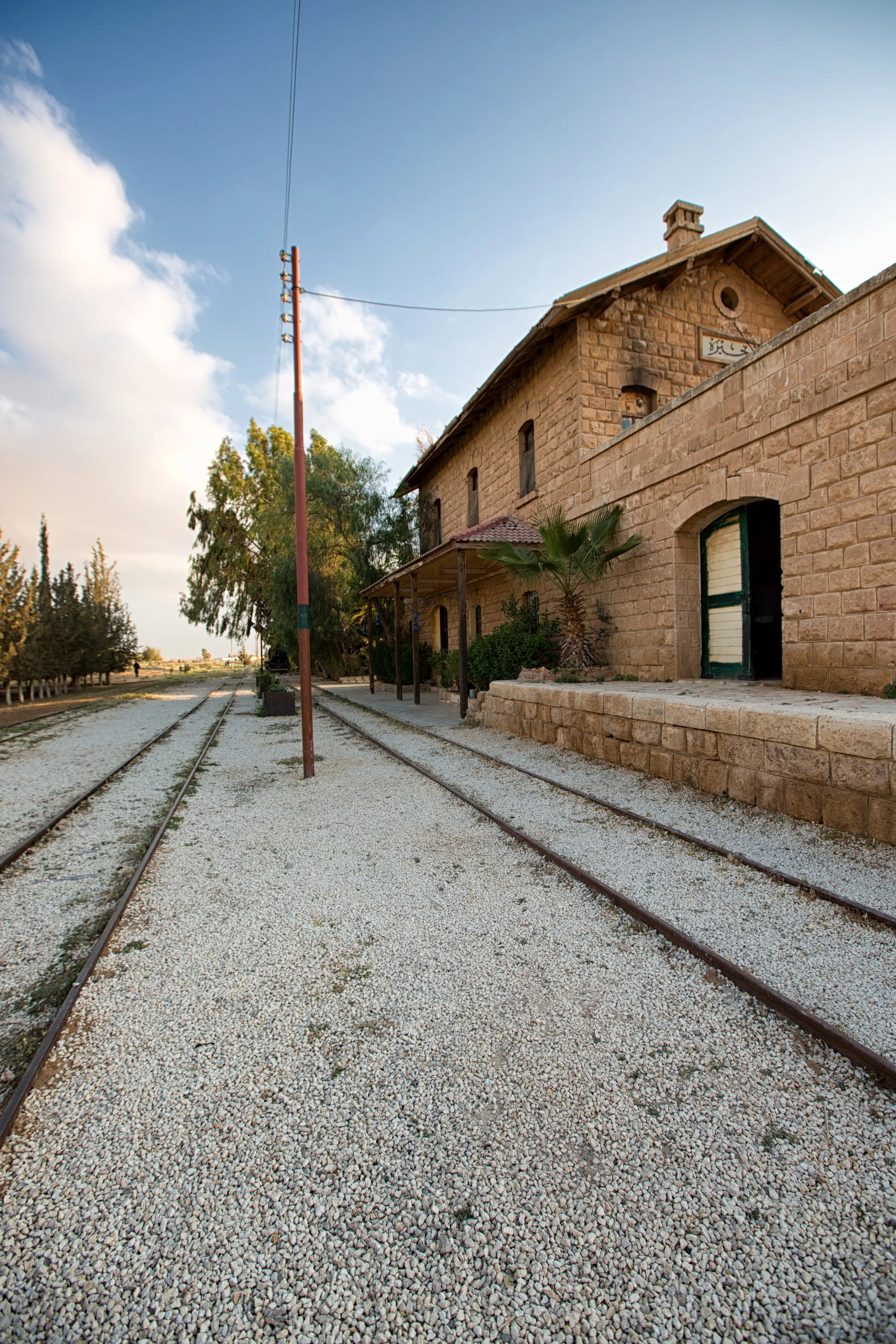
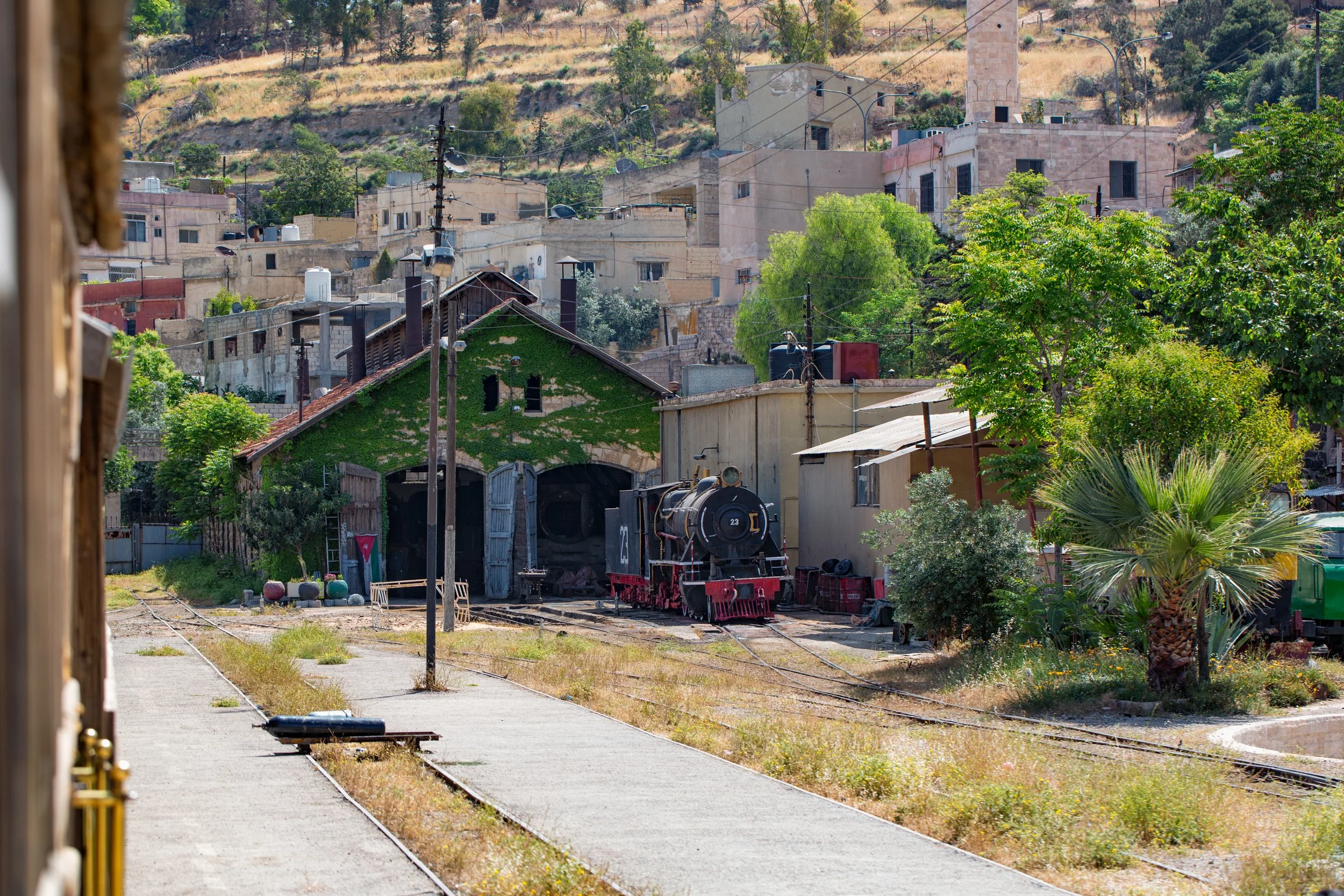
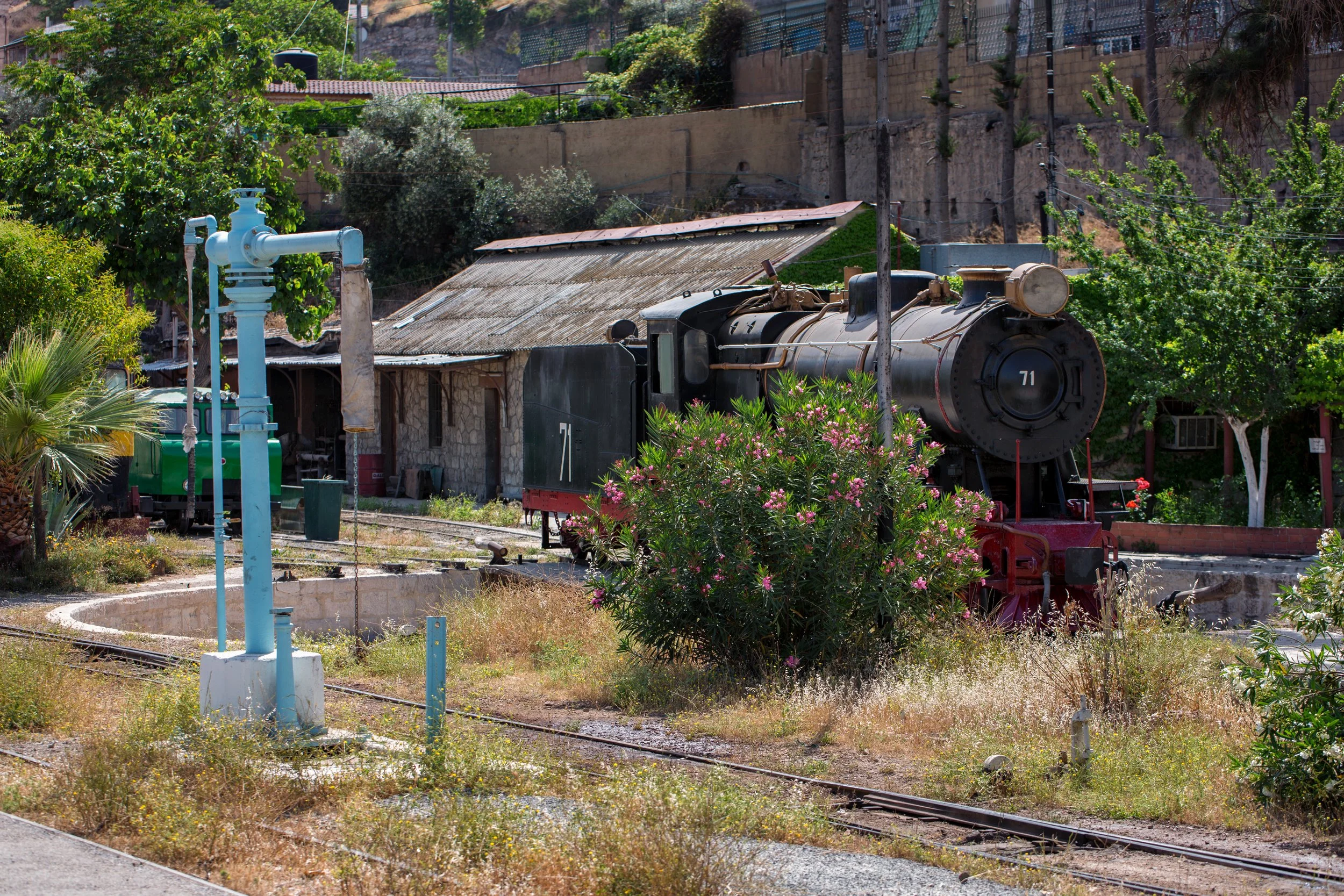
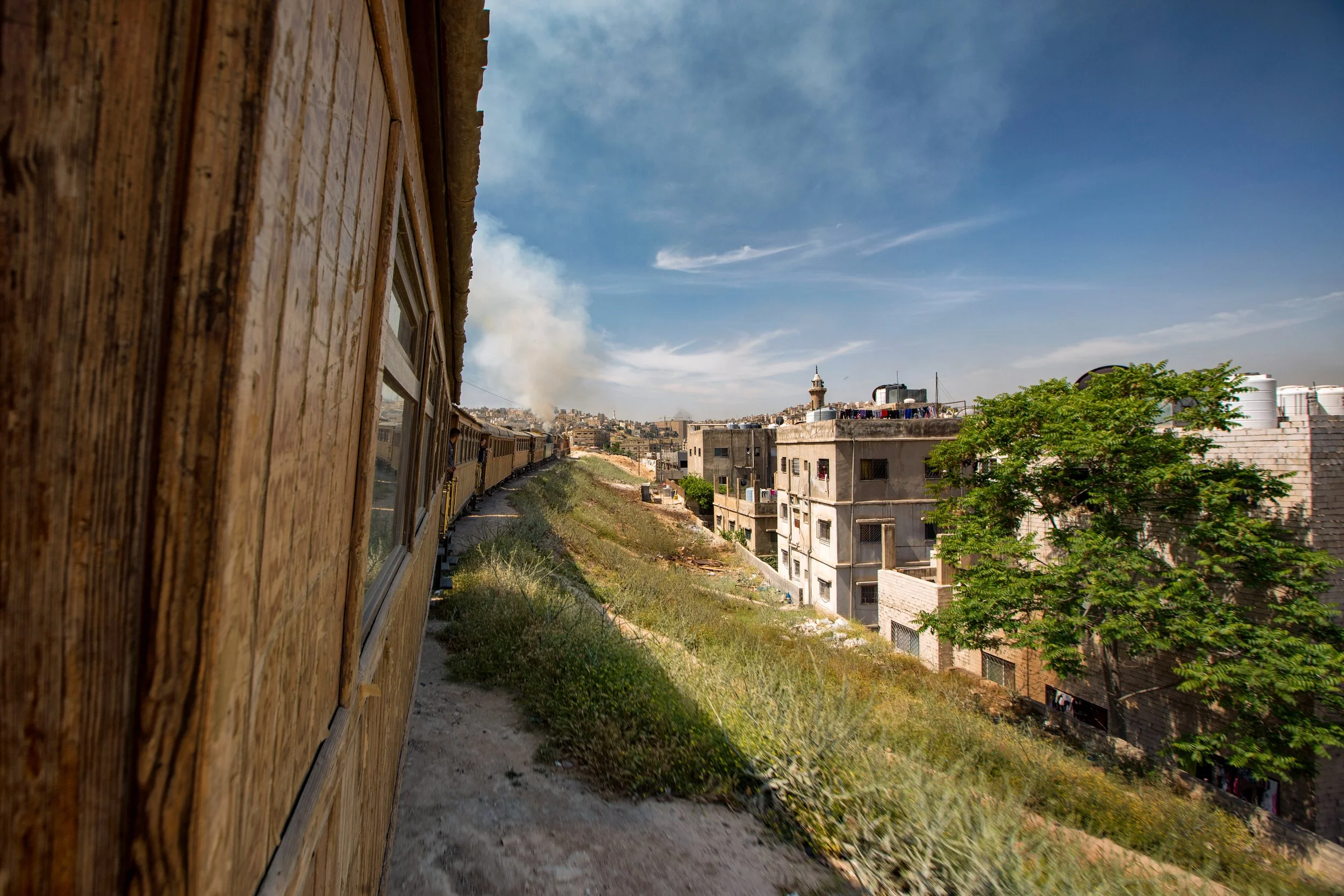
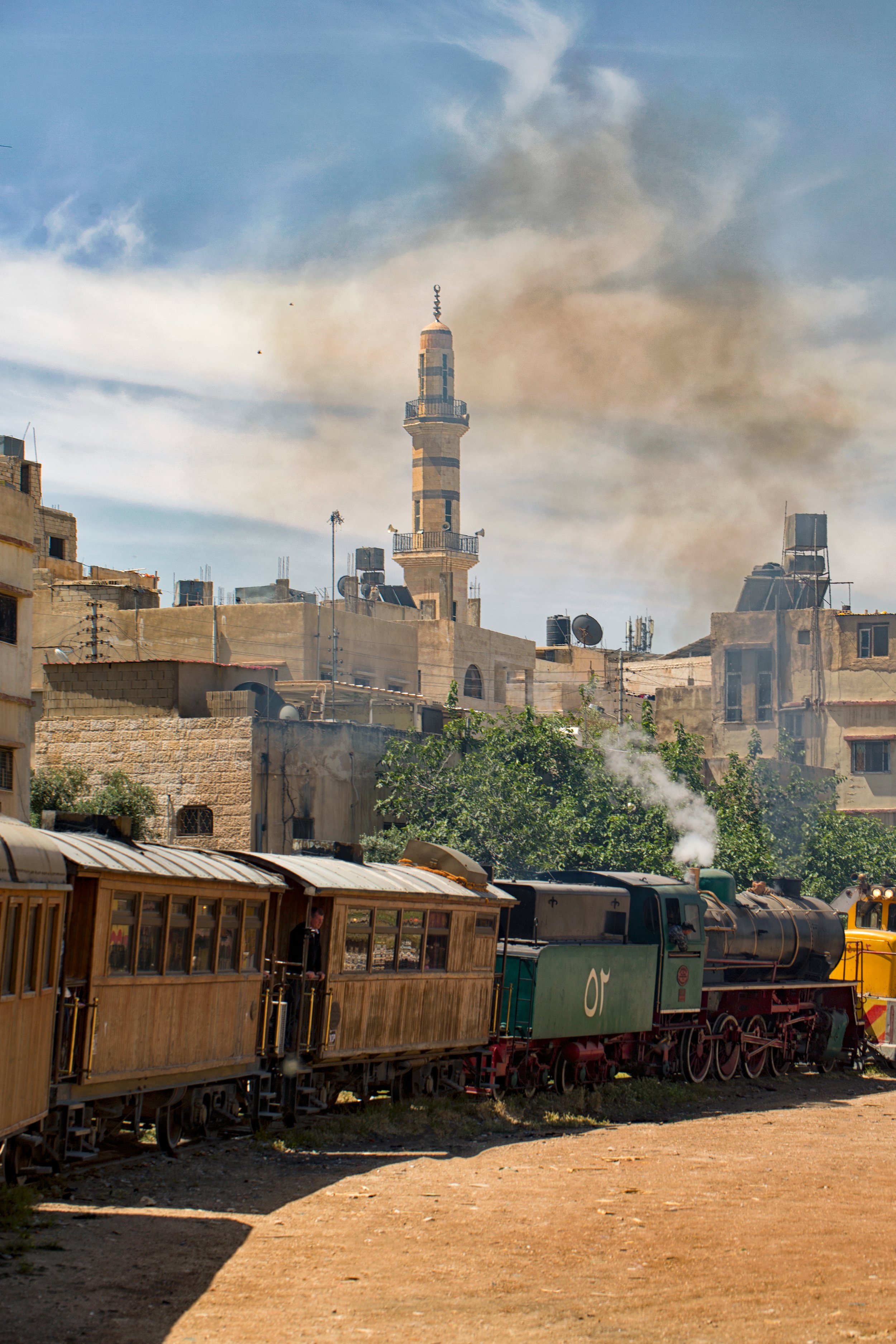
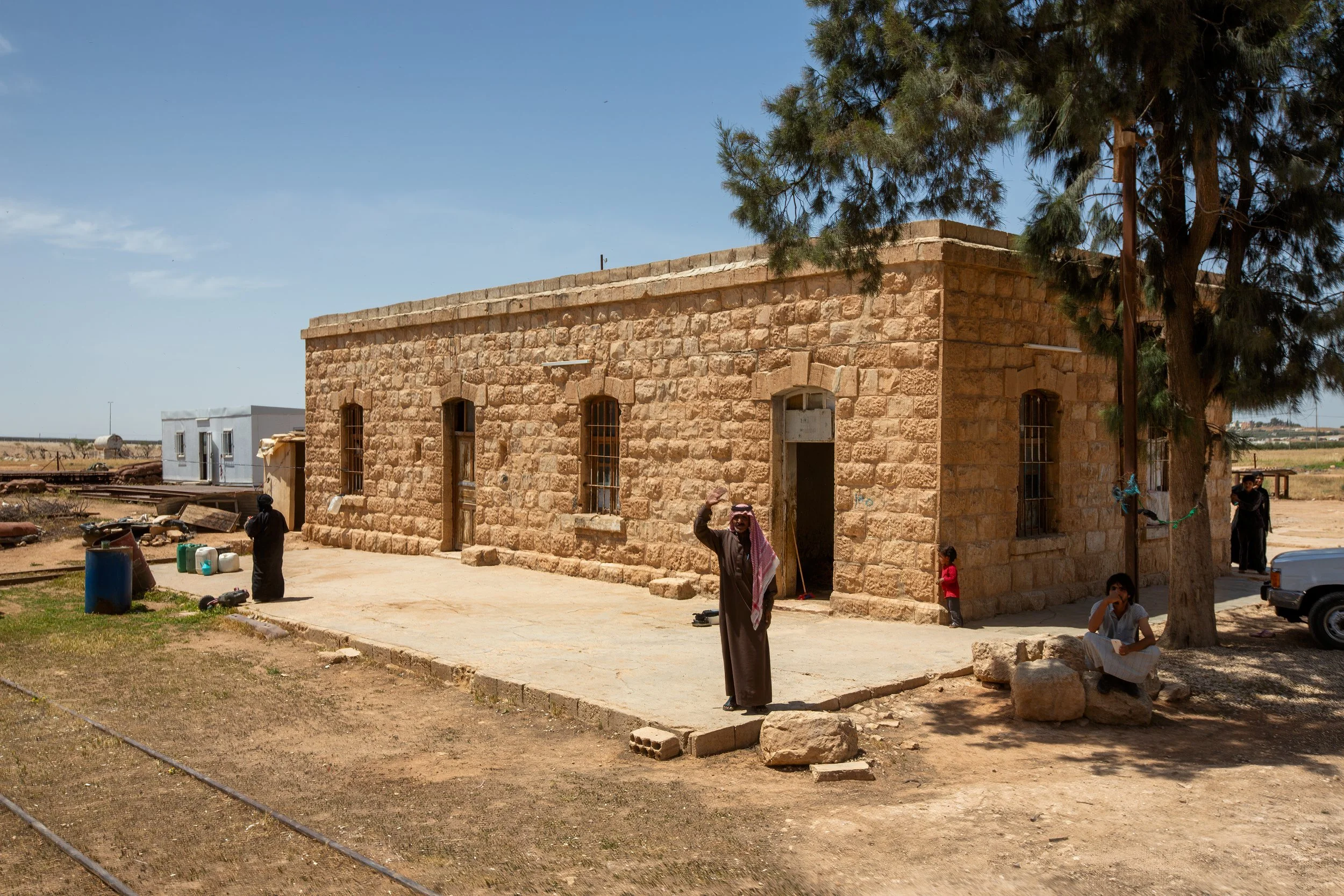
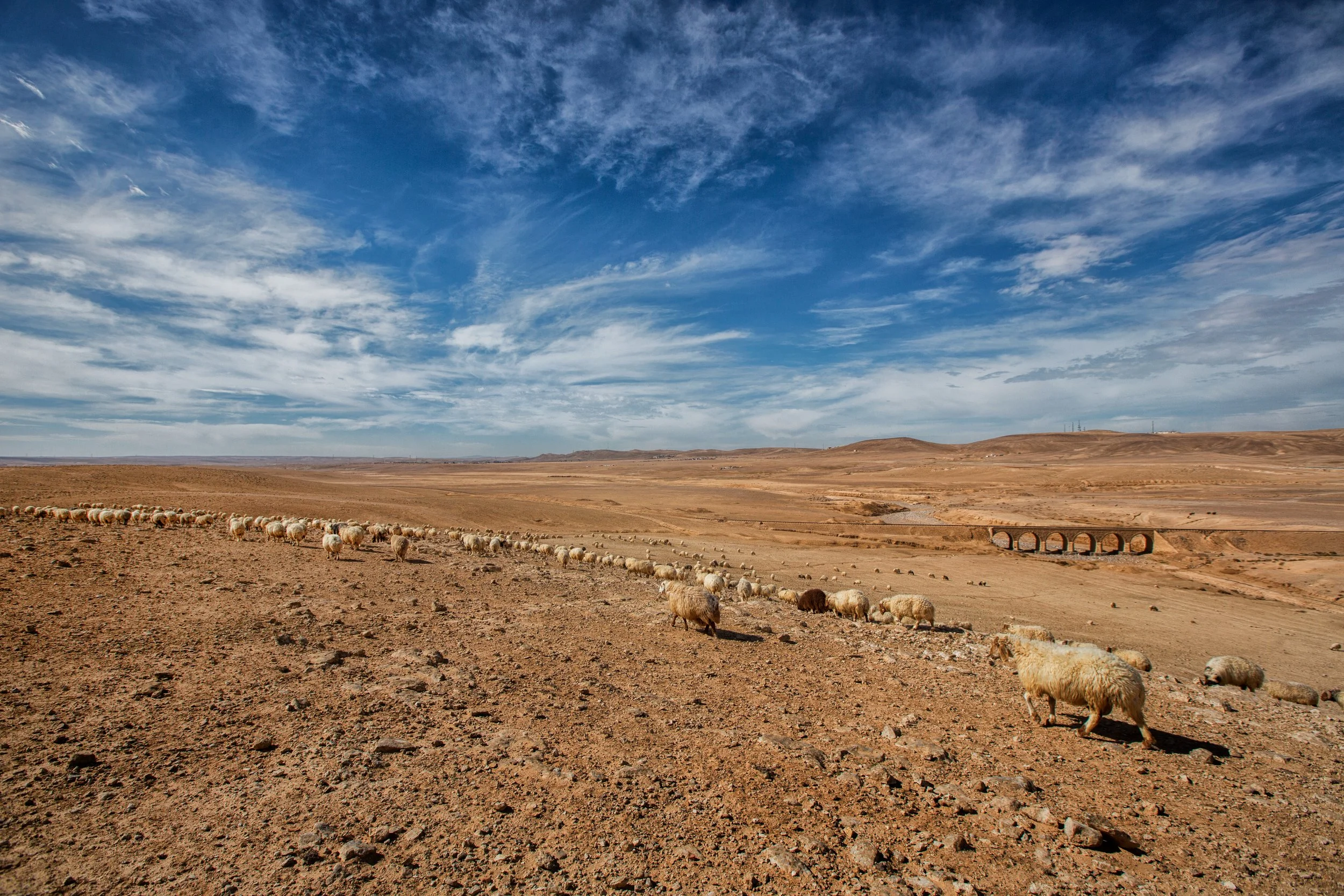
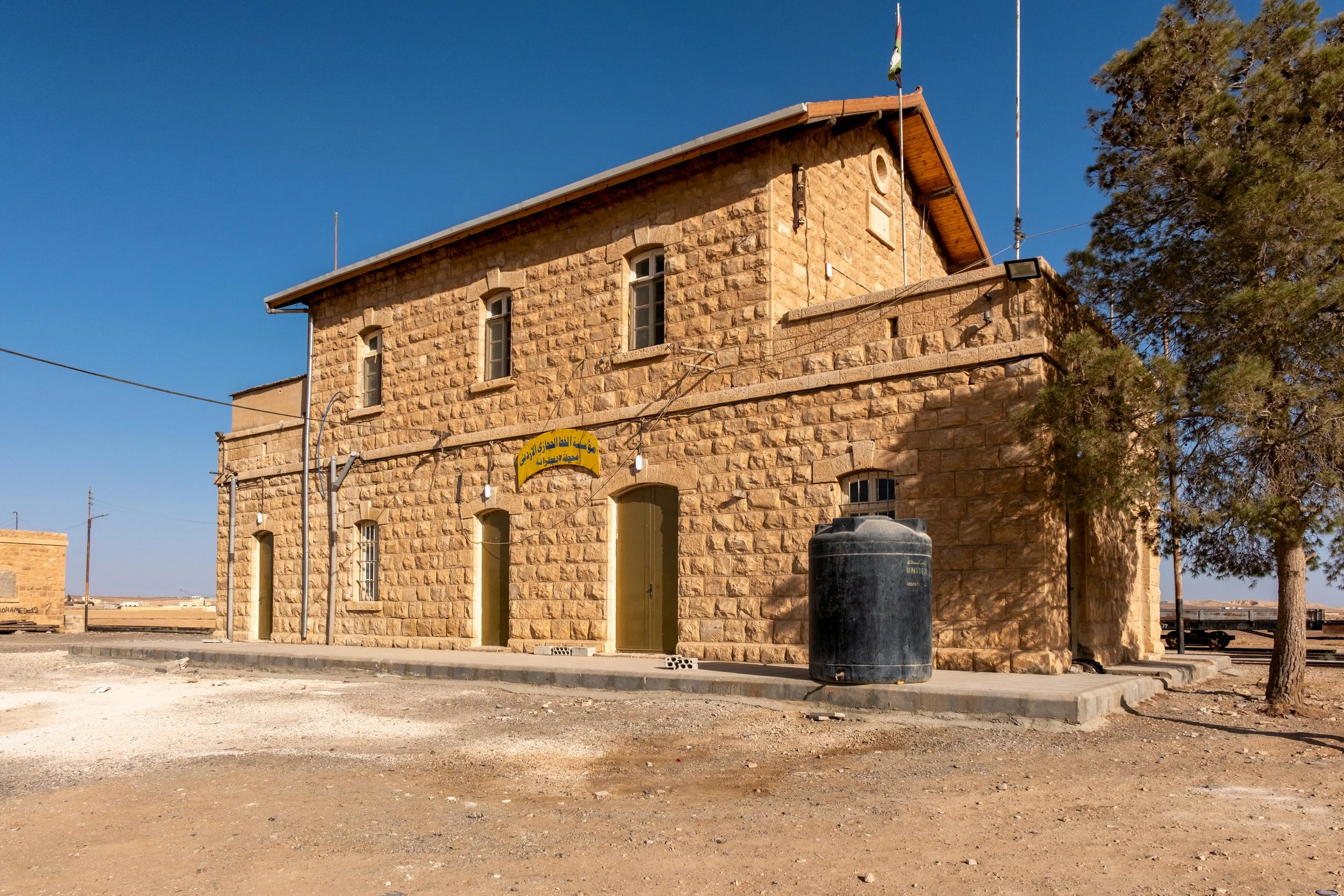
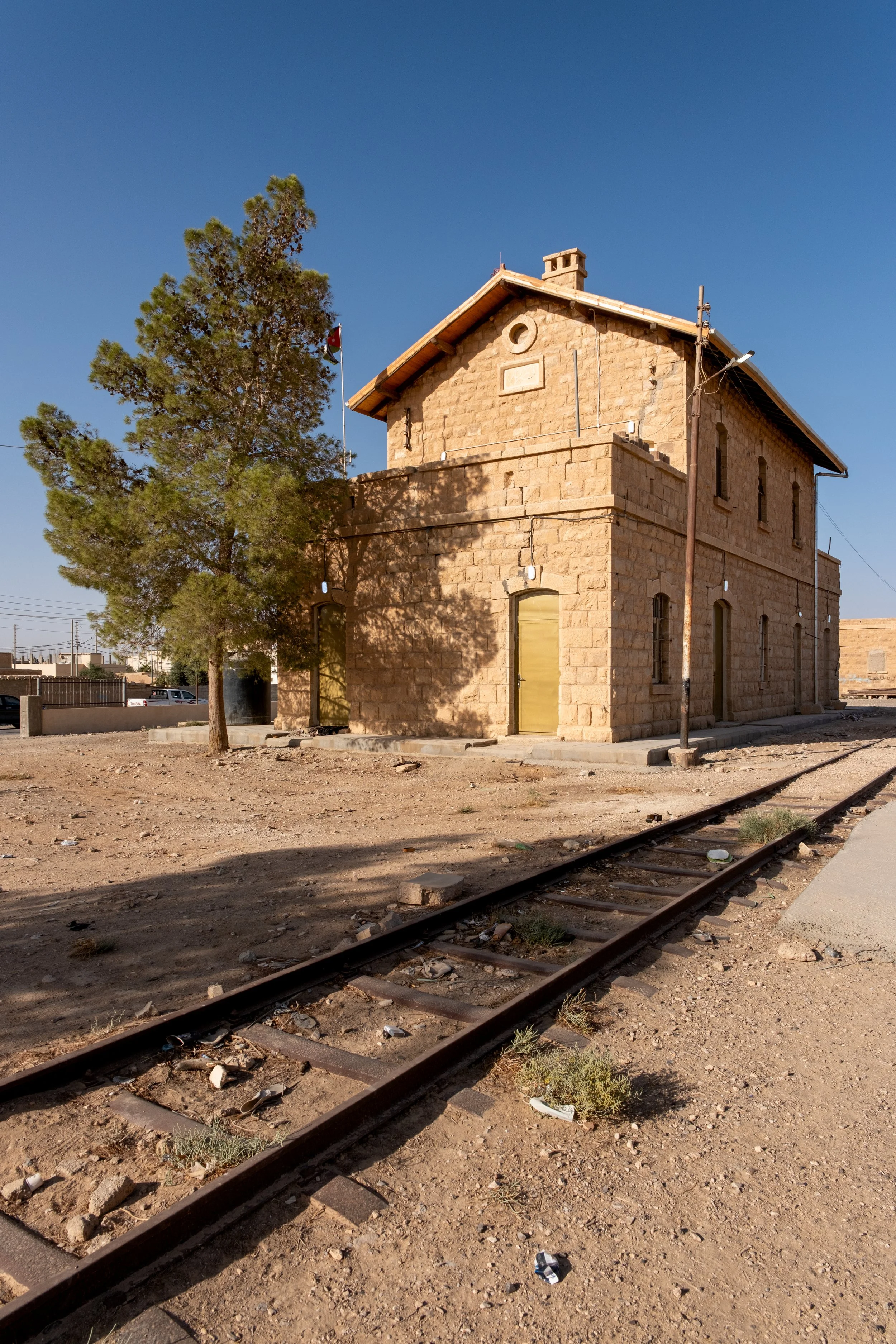
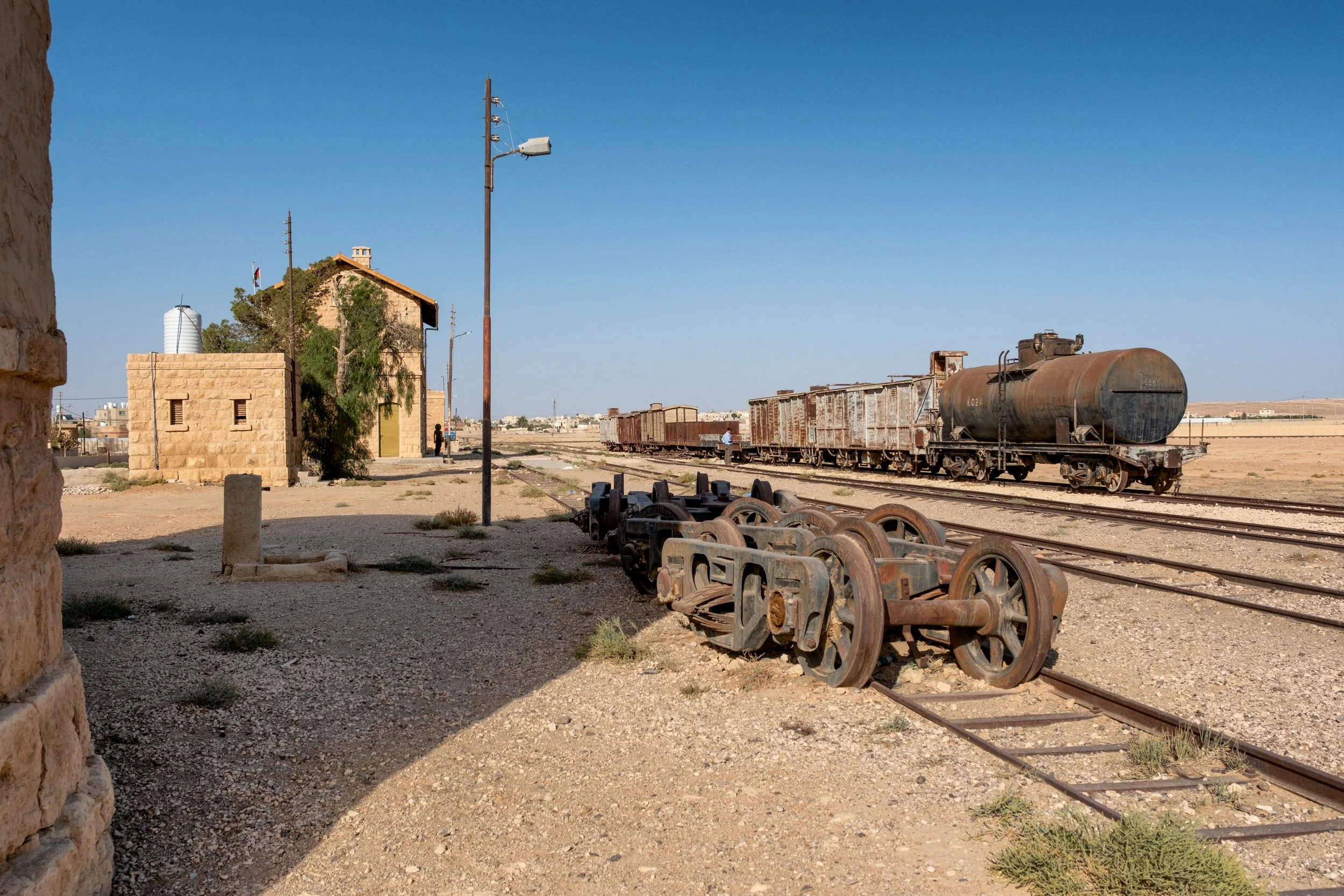
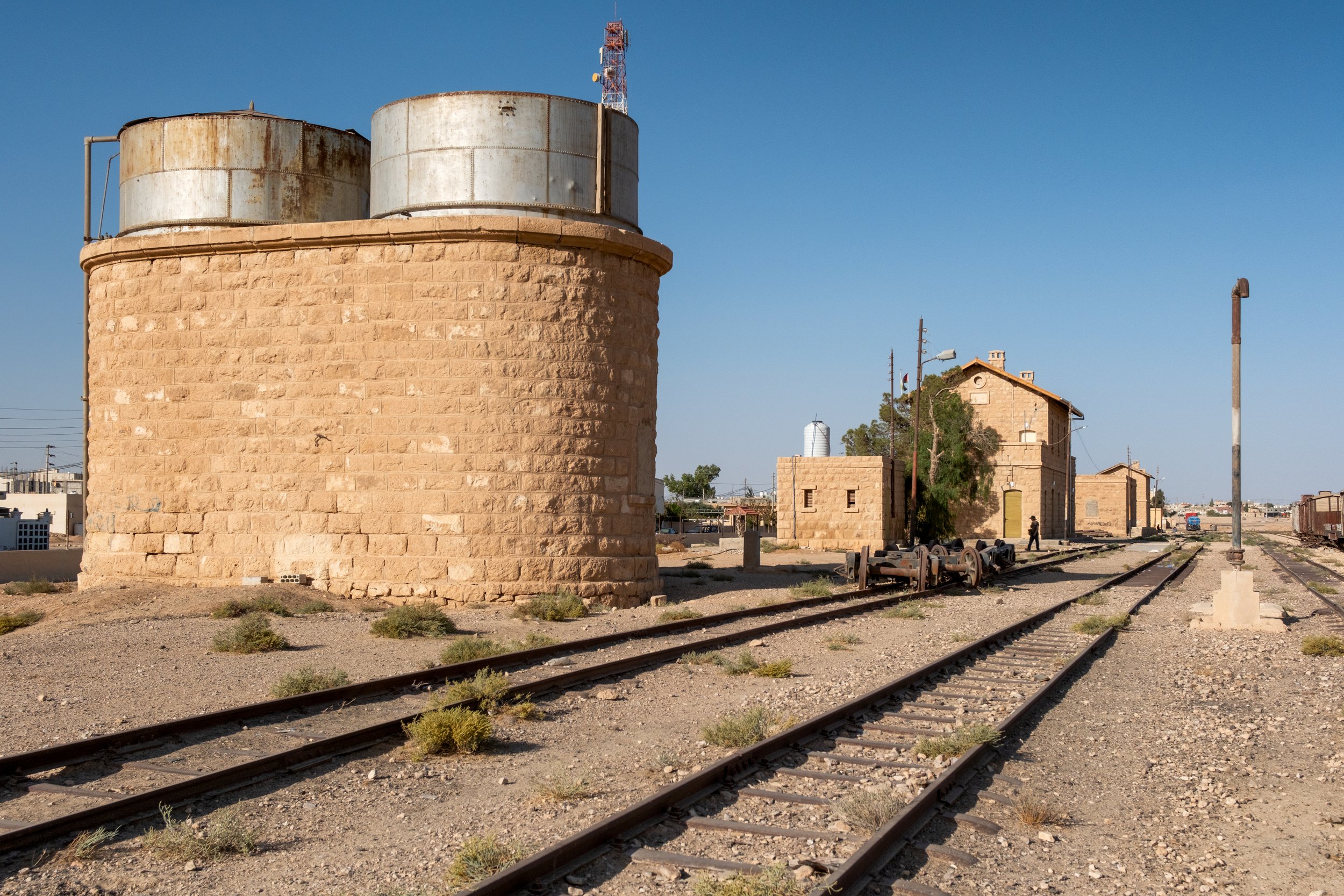
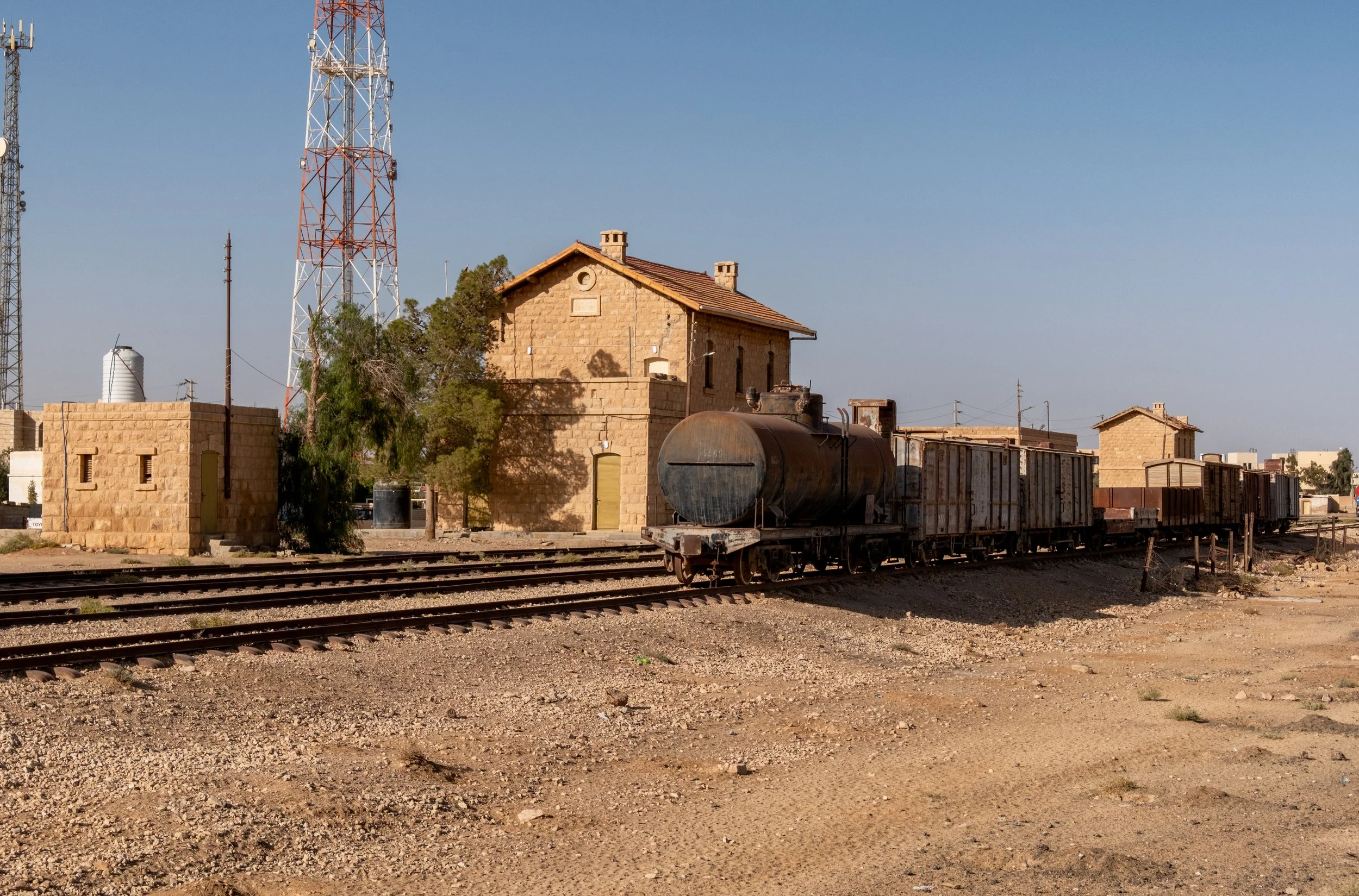
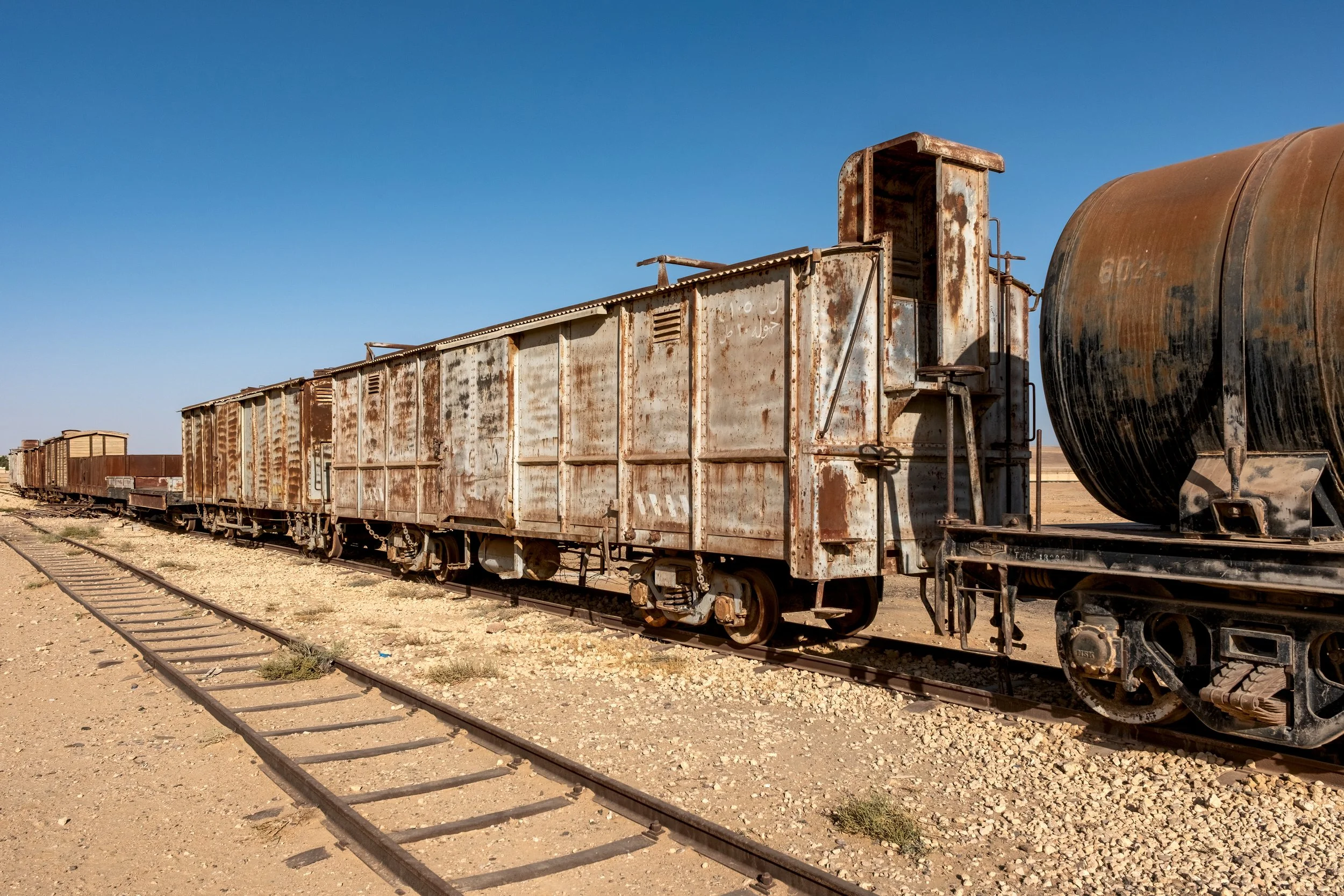
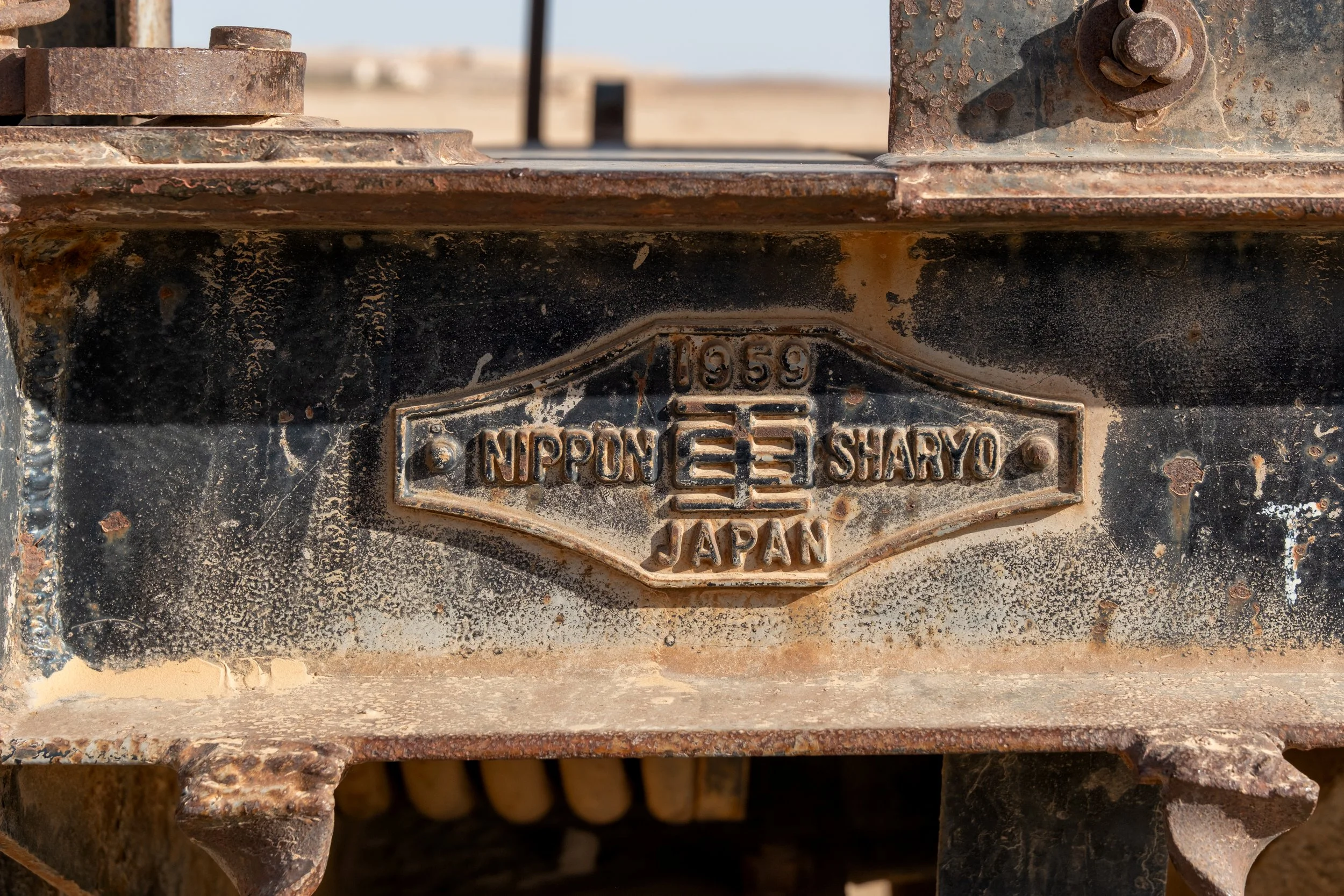
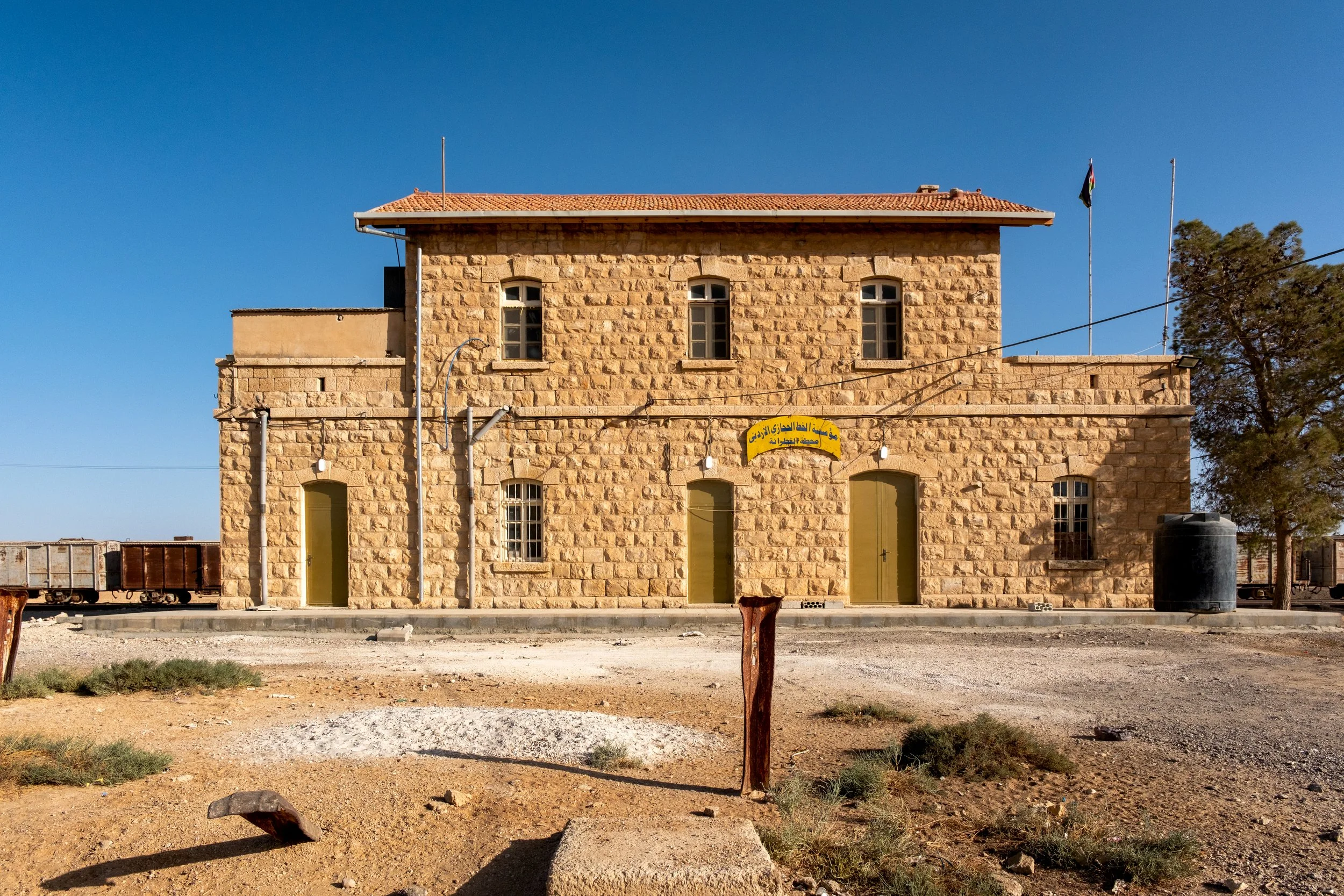
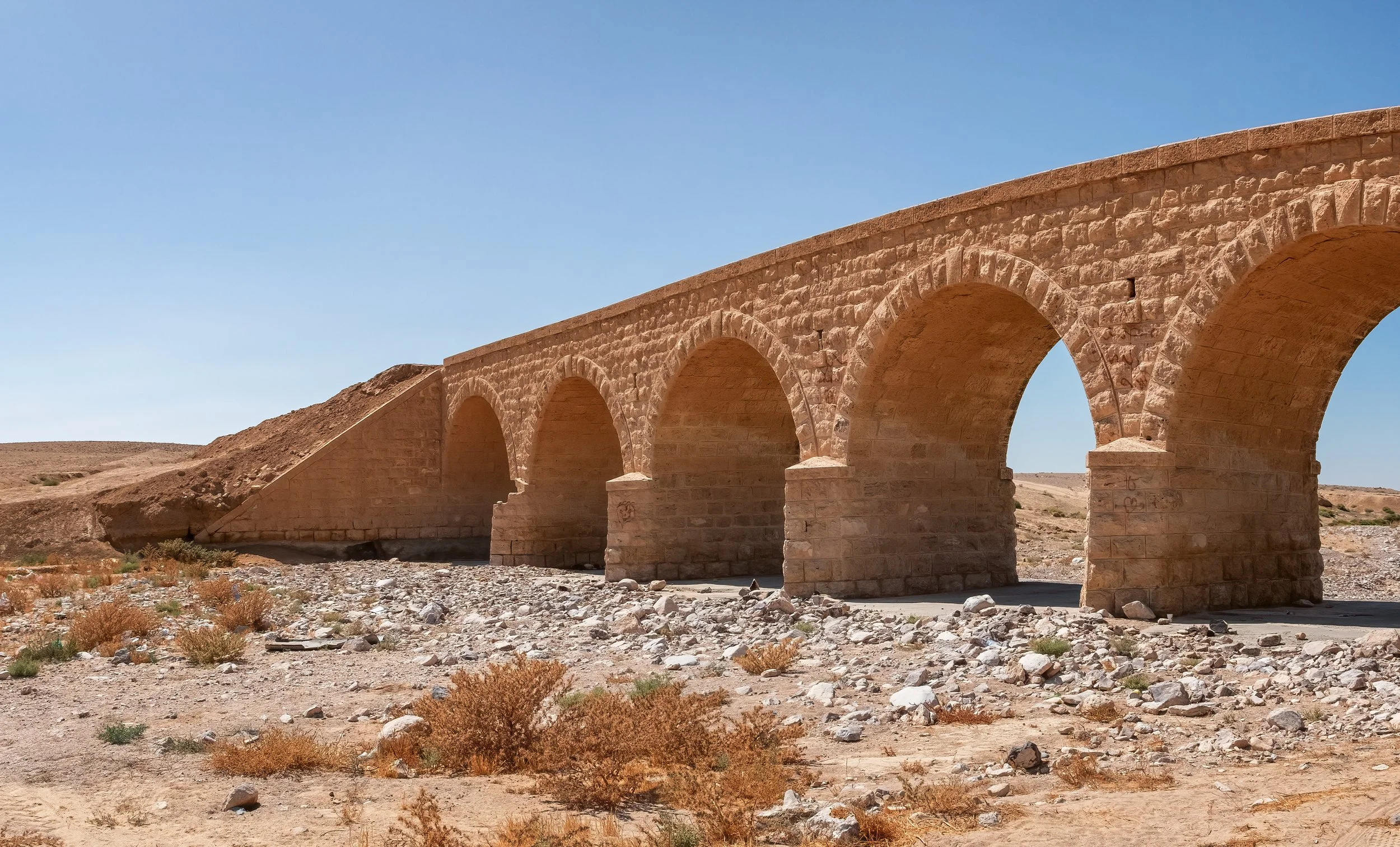
The Hijaz Railway Documentation Project will survey what remains of the Ottoman-era Hijaz Railway (stations, bridges, culverts, defensive networks, etc.) in the Kingdom of Jordan. Photographic documentation will be undertaken by Jordanian photographer Bashar Tabbah; archaeological observation and reporting by German archaeologist Nikolaus Cox. The Project will work closely with Aerial Photographic Archive for Archaeology in the Middle East (APAAME) obtaining aerial photographs of the ‘pilgrim railroad.’ This visual and written gazetteer will record the railway’s current state of preservation, highlighting threats to the heritage site, elevating points of interest, and fostering a deeper understanding of the railway’s relevancy within local society. The catalogue will be available to the Project’s sponsor(s), APAAME, and the Jordanian Department of Antiquities (DoA). The Project aims to organise outreach in the form of exhibitions in Jordan and abroad (initially UK and Germany), and the publication of the work in book form. All will be done in cooperation with the Project’s sponsors and DoA.
Interest in understanding the archaeology of the recent past is growing. It is by comprehending more-recent historical events that communities may best understand themselves. The Hijaz Railway was a military, cultural, and spiritual project intimately tied to the Ottoman Empire. Its story serves as an archaeological-anthropological-sociocultural capsule problematising the lives of Arab populations under foreign rule. A better understanding of what the railway meant to imperial and indigenous interests shall facilitate a fuller appreciation of ‘self’ among modern communities.